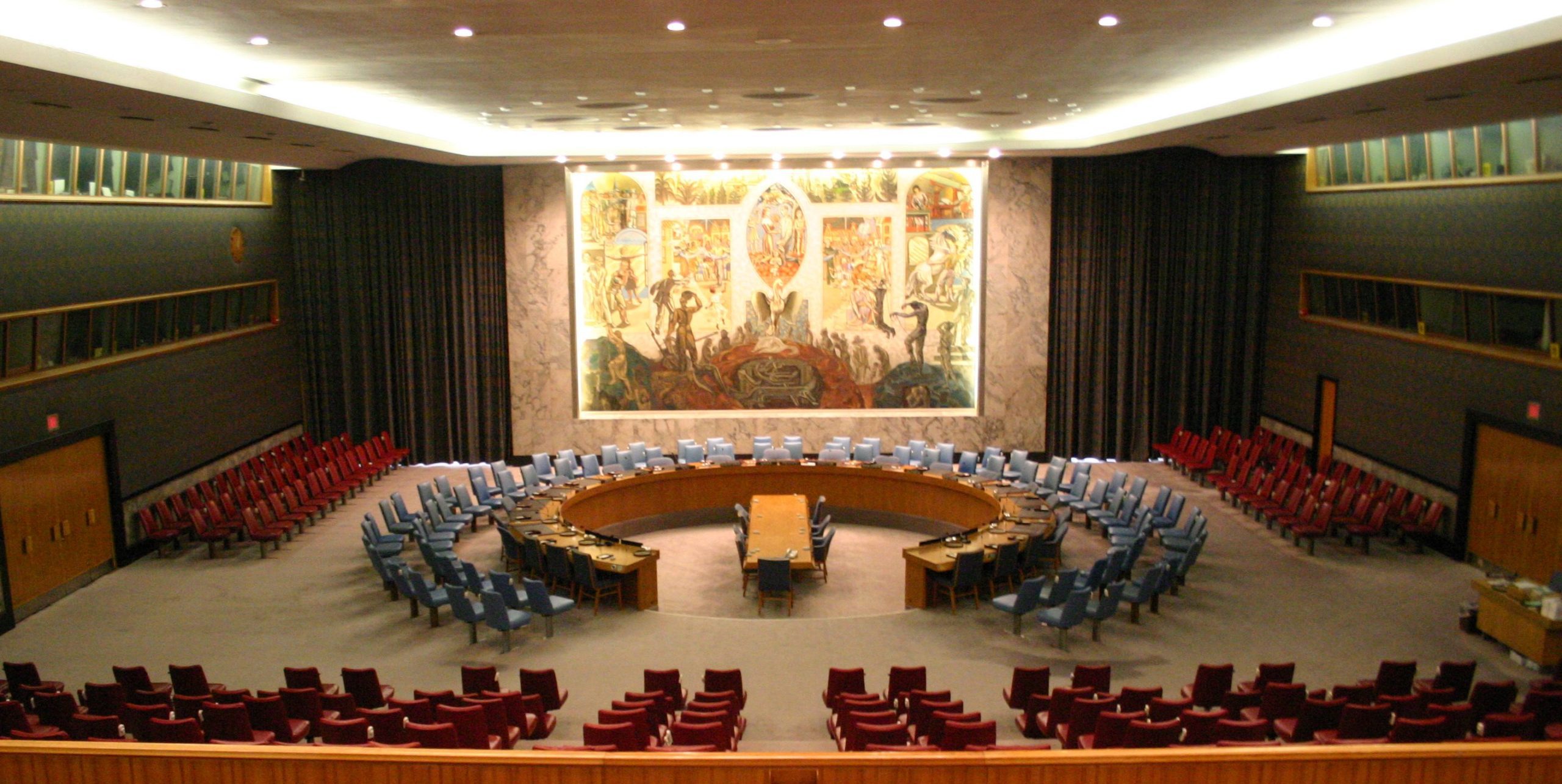
Australia’s bid for the UN Security Council looms large over Julia Gillard’s trip to the UN General Assembly in New York. The Prime Minister and her delegation will no doubt be in for a hand shaking, elevator pitching frenzy as Australia seeks to tie up support for the vote next month.
Much of the discussion so far on Australia’s campaign has been about whether Security Council membership would be good foreign policy for us and whether we have a reasonable chance of winning the seat.
But a more substantial question needs to be considered: if elected, what should Australia bring to the table of the most powerful body in the UN? Membership of the UN Security Council is an incredible opportunity, but membership carries with it enormous responsibilities.
Under the UN Charter, the Security Council is responsible for maintaining “international peace and security”. When Australia was last a member, in 1985-86, the political realities of the Cold War meant international security was a matter of resolving conflict between nations and keeping the global balance of power.
Since then, the Security Council has dramatically changed.
Faced with situations where civilians have increasingly borne the brunt of conflict from Rwanda to Sudan, the council has needed to expand its focus beyond the security of nation states to the safety of civilians within them.
Despite this progress, the council doesn’t always live up to the task. The deadlock over Syria tragically highlights that council action is too often impeded by political interests.
If elected, Australia should focus on ensuring the council effectively and consistently protects people affected by conflict and insecurity no matter who they are or where they live. That does not mean responding in the same way everywhere, but it does mean responding with the same determination.
To make this kind of contribution, Australia needs to have the courage and integrity to look beyond narrow foreign policy interests, towards solutions that can best maintain international peace and security for all.
It would mean taking bold steps to improve the transparency and accountability of the Security Council and the effectiveness of UN peacekeeping missions to protect people on the ground.
Finally, to make a difference Australia would need to back Security Council membership with the right resources. That means having enough good people at the UN so we can drive a proactive agenda, rather than sitting back and letting the permanent members do all the heavy lifting. It also means investing in informing and listening to the public and civil society in Australia and countries affected by conflict so that our positions are representative and accountable.
Oxfam believes Australia has the potential to play this constructive role. To rise to this challenge if elected, Australia needs to have a clear vision for what it wants to achieve.
The council campaign has hinged on the notion that Australians have integrity and get things done, or as the campaign slogan puts it: “We do what we say”.
So what will Australia stand for on the council, if elected? Right now, it’s not exactly clear.
By Andrew Hewett, Executive Director, Oxfam Australia