Multilingual preschools in Bangladesh are breaking down barriers to education — and helping Indigenous children attend mainstream primary schools.
The multilingual education system began when Oxfam developed a curriculum to introduce pre-primary school indigenous children to the Bangla alphabet. The program was piloted in 1999 and expanded after 2004. By 2010, the number of pre-primary schools and language centres reached 186 and eight respectively, covering 11 districts and delivered in six indigenous languages.
The long-term advantages provided ample evidence of the program’s success. Students who had completed pre-primary school (PPS) language training achieved higher grades in school-level examinations, and had a school attendance rate average of 95 per cent.
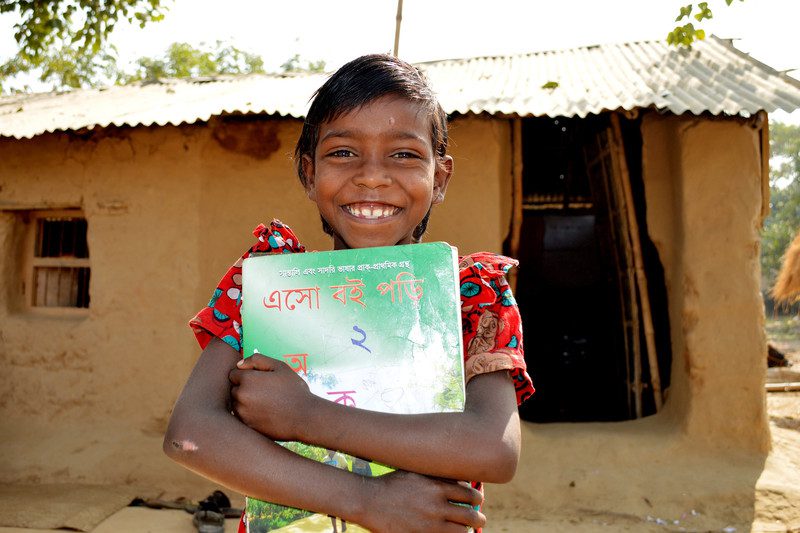
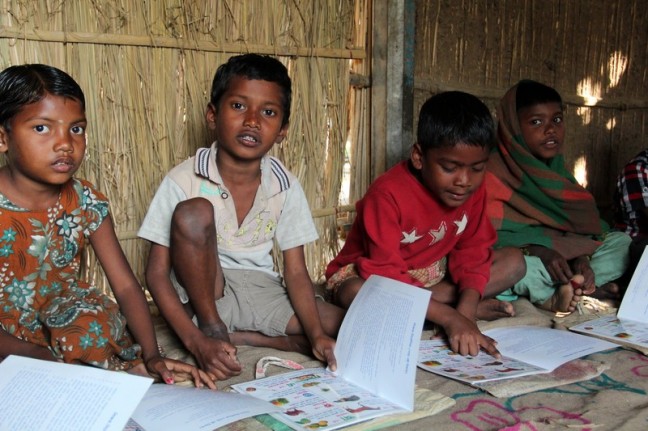
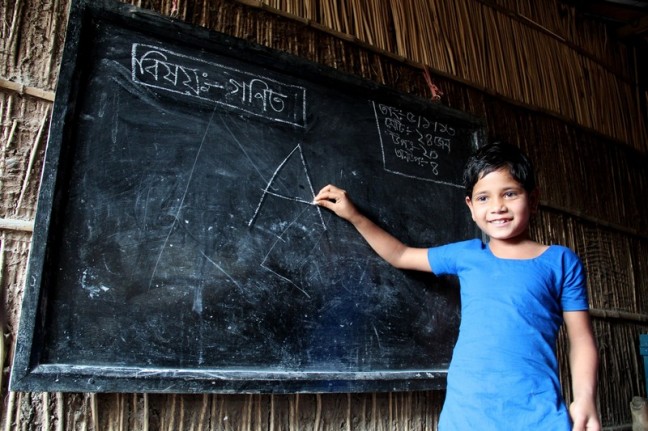
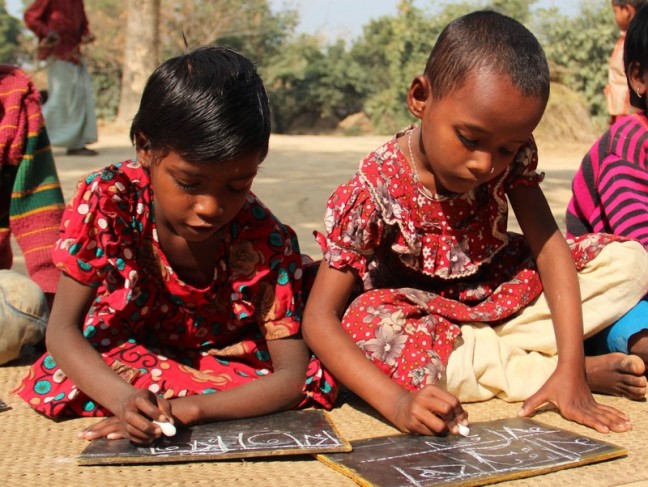
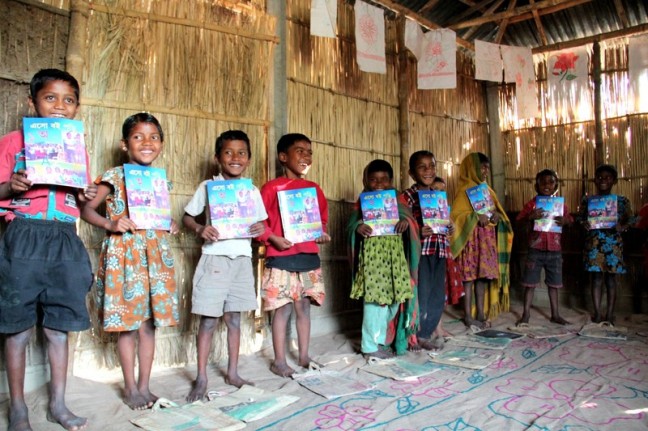
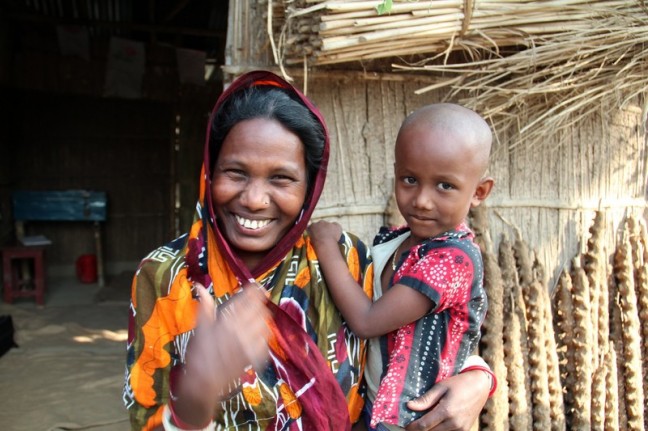
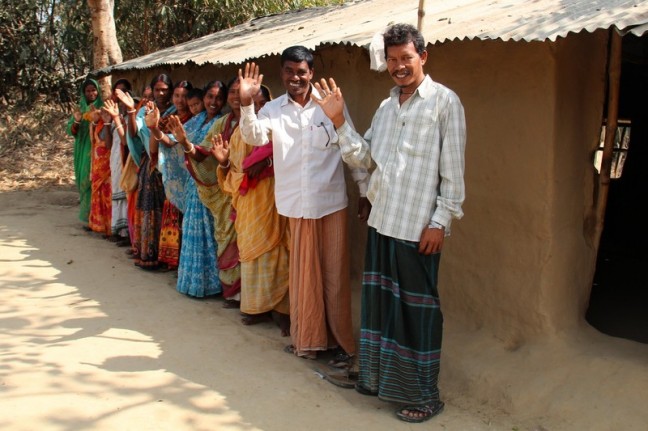
Students doing their lessons in Mominpur Preschool — one of 200 centres Oxfam supports in Bangladesh. Photo: Tania CassIt’s as easy as ‘ABC’ at Mominpur Preschool. Photo: Tania CassStudents of Muraripur Preschool line up outside the school with their teacher Sumitra Pana. “Earlier children were hesitant. They were scared…now they are more confident.” Photo: Tania CassRita Baroar, 5 years old with her friend, doing lessons at Muraripur Preschool. Photo: Tania CassMominpur Preschool students proudly hold their workbooks. Photo: Tania CassMominpur Preschool students with their mothers and members of the school committee. “The [program] is available and accessible…After one year in the preschool the children are more confident,” says Onimar Kuju (centre right, with her son Shojip Tipki). Photo: Tania CassNuawati Ekha and her daughter Durga Lakma who is a student of Mominpur Preschool. Photo: Tania CassSumitra Pana, teacher at Muraripur Preschool with the teacher’s committee in front of the school. Photo: Tania Cass
By making a donation to Oxfam, you’ll be helping people in poverty to grow more food, educate their children, and lead healthy, productive lives.
Not In My Name: Act now to support Palestinians in Gaza
The Israeli Government’s war in Gaza has killed tens of thousands of Palestinian people, including children. Two million people have been forced into so-called safe zones, which continue to be...
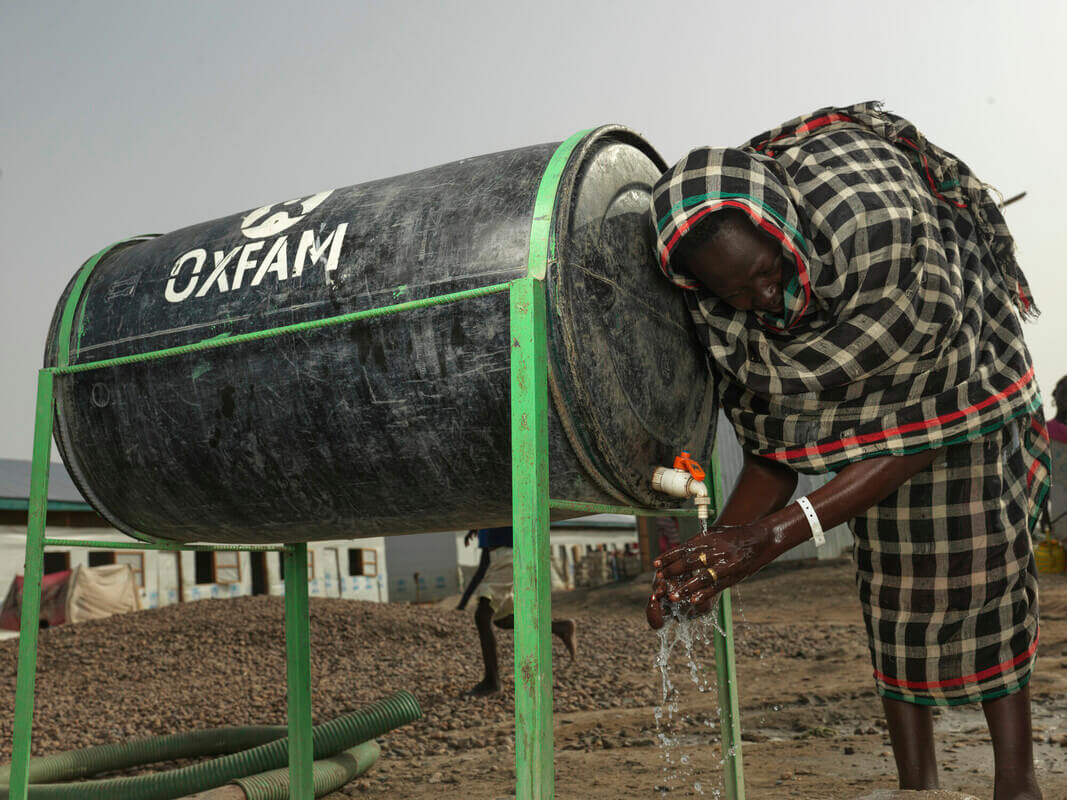
South Sudan is currently experiencing its largest-ever cholera outbreak, with confirmed cases reported across multiple states. According to the World Health Organisation (WHO), from September 28, 2024, to April 11,...
Nearly 13 million people have fled their homes during the recent conflict in Sudan. That’s nearly one third of Sudan’s population. A large proportion are seeking refuge in neighbouring South...