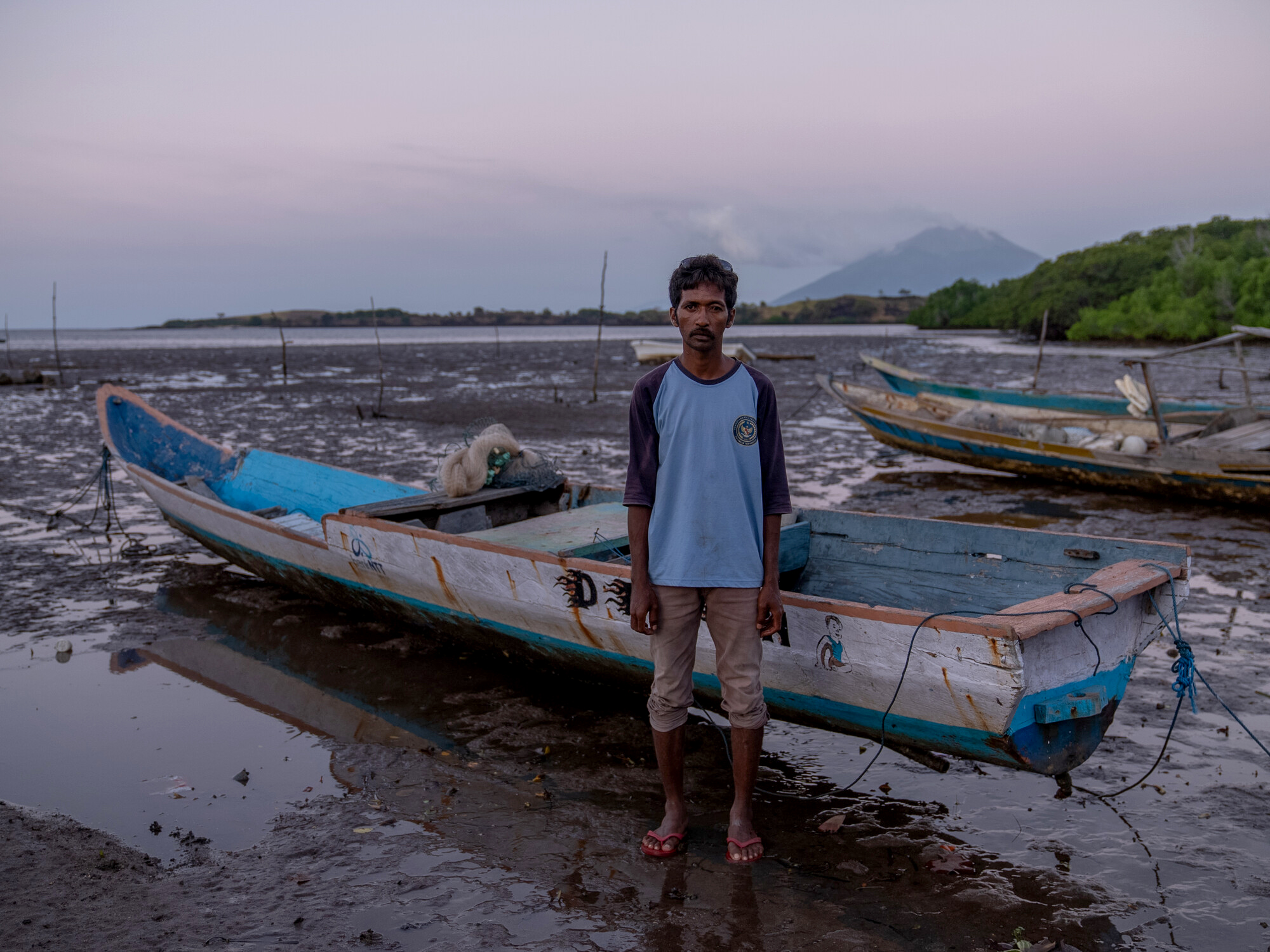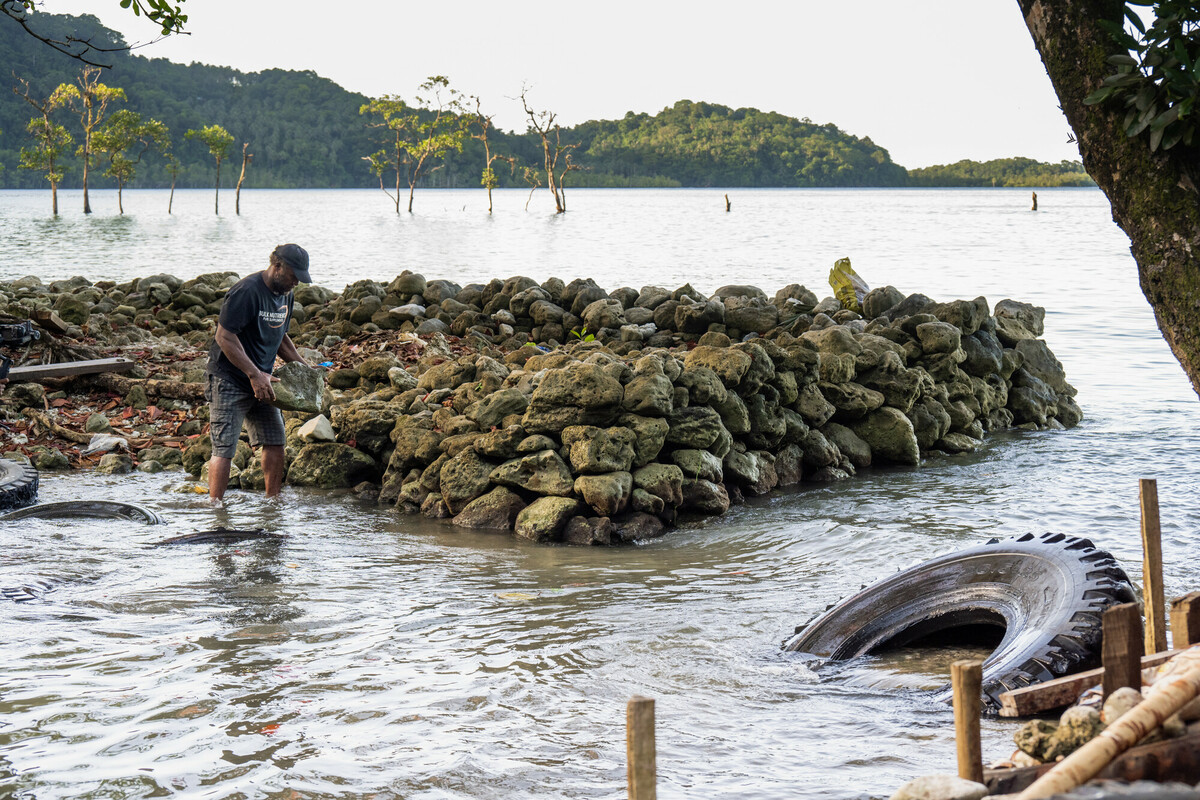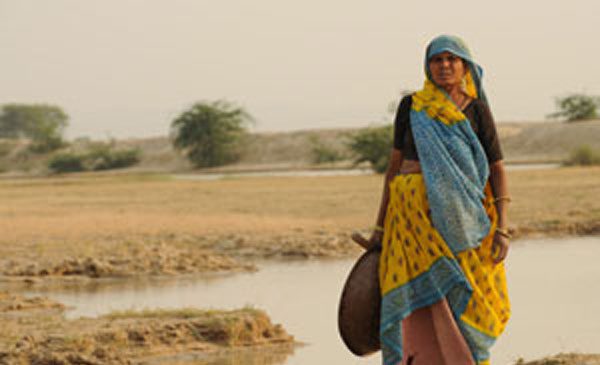
India is a vast country. So vast that, as Oxfam India’s partners explain, climate change is having very different effects in different parts of the country.
India is a perfect example of the fact that climate change is not simply about hotter temperatures, or more rain, or less rain. It is about different changes in different places that will and already are having different – but similarly devastating – impacts in different places. It’s about change, not one kind of change.
India has a variety of biospheres across its great breadth ranging from desert in Gujarat, mountainous Himalaya areas of Uttarakhand and Assam, the Andaman and Nicobar Islands, and semi-arid places like Madhya Pradesh. Among this incredible geographical diversity there are three commonalities:
The climate is changing
This is already affecting the poorest and most vulnerable, and these people had the least to do with the reasons why the climate is changing. According to the World Bank, in 2005, approximately 42% of India’s population was living below the international poverty line of US$1.25 per day. This is a stark figure in itself but it also highlights just how vulnerable many communities are to even small changes in the climate – including changes in the weather on which many rely for the agricultural work which provides both their food and their livelihood
Climate tribunals seek accountability
Although these realities seem daunting, people in India are working extremely hard to adapt and increase their resilience, and to address the reasons why they are experiencing this change – that is, to seek accountability and fair contribution from those who most contributed to bringing about this change.
In 2009 Oxfam India worked with partners to hold more than 6 hearings across the country involving people from affected communities, climate experts and local and national decision makers. This was part of a worldwide movement of climate hearings that involved over 1.6 million people clearly calling for world leaders to act to bring about a fair ambitious and binding deal that would deliver real assistance to those experiencing the worst affects of climate change, now and in the future.
However, as we know, world leaders chose to ignore that call in favour in protecting narrow national and economic interest. And so people right across India continue to suffer from a changing climate with little assistance.
We cannot wait for the politicians
In 2010, on 16 November, Oxfam India and partners went one step further – bringing together people from communities across 10 different Indian states, along with climate and legal experts, to explore what the possibilities are for litigation both at national and international level on the impacts of climate change.
While we all recognise the central importance of a fair ambitious and binding deal that involves all countries, this is not the only course of action. And we cannot sit back and wait for politicians to act in the interests of people right across the world while those very people continue to suffer. Climate litigation provides a real possibility in terms of bringing those responsible to account – and Oxfam India and their partners are helping to lead the way for India and the world.
Conor Costello is Global Mobilization Coordinator with Oxfam Great Britain
First published on Oxfam International Blogs