Earlier this year Australia’s Climate Change Minister Greg Combet stated in an address to parliament, that:
“Australia will do its fair share as part of the global effort – we’ll do no more and no less than other countries.”
But when comparing the actions of Australia to the majority of other countries in the developed world we are doing less – a lot less.
The Kyoto Protocol agreement itself is a prime example. The Protocol sets out emission reduction targets, compared to 1990 emission levels for each developed country. The targets in the protocol range from 0% for the poorer developed countries such as the Ukraine to 21% for richer industrialized countries such as Germany. Australia and Iceland were the only countries able to negotiate an 8% or more increase in emissions under the protocol.
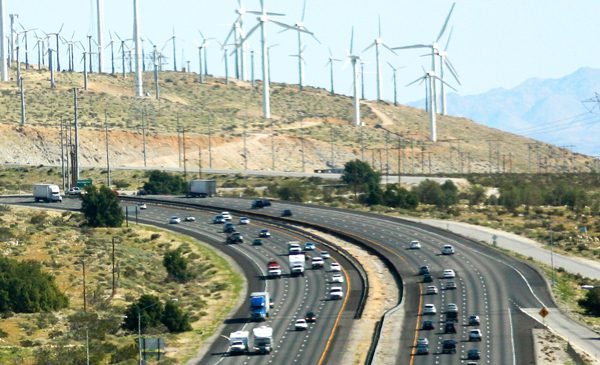
The UK, Germany, Denmark and Sweden are all on track to meet or exceed their Kyoto targets. They have achieved these targets through a variety of ways, including investment in renewable technologies which has seen 44% of Sweden’s energy coming from wind power and a 23% reduction in UK emission by moving from coal to natural gas for the supply of energy. They have introduced strict regulation on heavy polluting industries, made polluting expensive through taxation mechanisms and clean energy cheap through incentive schemes. As a result of these combined actions the 27 member nation European Union (which as a block is one of the world’s leading polluters) is on track to meet their targets under the Kyoto protocol.
Australia is not doing its fair share to prevent catastrophic global warming. In fact, it’s not even close, with many countries already suffering the devastating impacts of climate change – we lag far behind most of the world in terms of commitment and in terms of action.
Please, use your voice to demand that our government to keep the promise to do our fair share.