Rinku and her girlfriends are thriving in school now — but that wasn’t always the case.
In the past, their school didn’t have clean toilets with running water and hygienic sanitary pad disposal facilities, so the students were often sick and it was hard for girls to stay clean during menstruation.
According to Rinku’s teacher Mina, students used to go to the toilet in the forest and drink dirty water from a nearby stream.
“They were drinking the water without filtering it and that was sometimes making the children sick,” Mina explains. “The children were missing a lot of school time each day.”
“Before, girls used to miss school for four days a month because there was no water, and in the toilets there was no pit to dispose their pads, so they would have to miss school.”
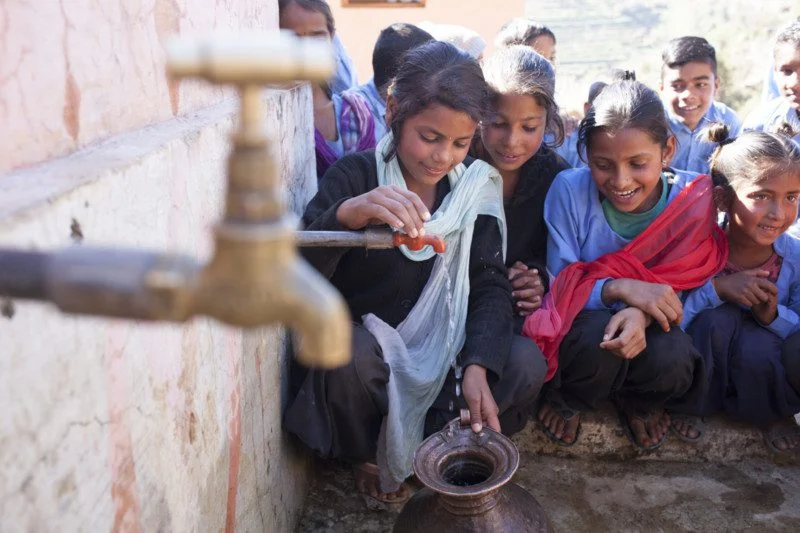
Three years ago, Oxfam and local partner Rudes installed an accessible toilet block at the school, with running water and pad disposal containers. The new facilities have improved life for all of the students — especially the girls.
Mina says, “Rudes helped us and built a separate bin for the girls to dispose their pads and now they are more attentive in class and they don’t miss their classes.”
Attending school is now much easier for Rinku. “I am so happy to have clean water and toilets here,” she says.
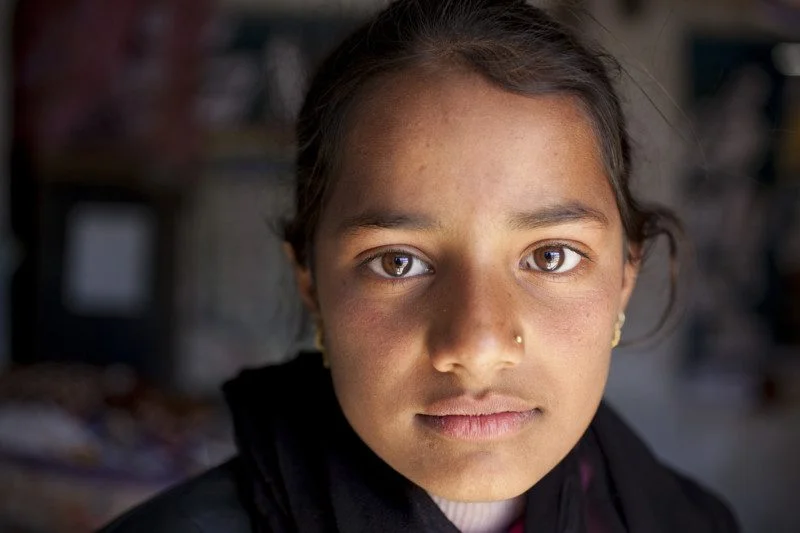
Rinku
Mina is thrilled for her female students. “I am so happy for the girls. Before it was too difficult for us to teach them again and again, and to complete the course in time. Girls were weak in their studies compared to boys. But now, girls are more attentive and more intelligent compared to the boys — so I am so happy,” she says.
“It’s very helpful for women to be educated and it’s helping this generation of women to grow up … I have noticed a big difference.”
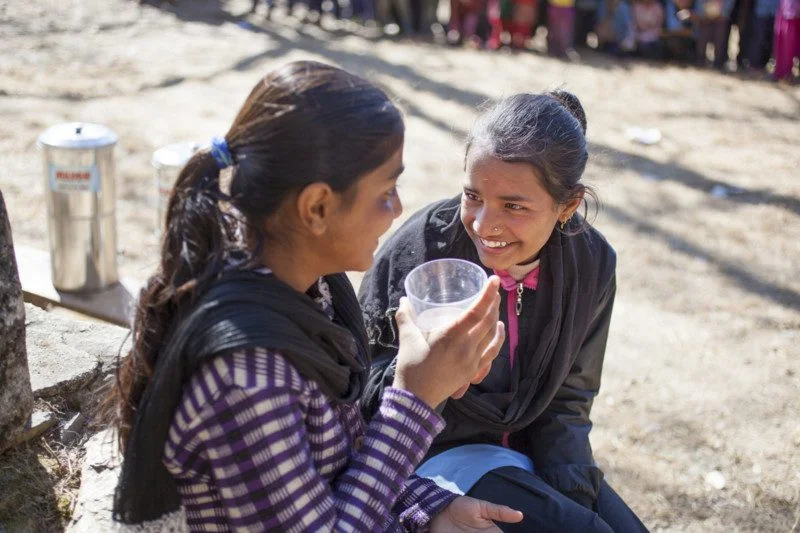
She adds, “Rudes also provided us with two filters so the students now drink filtered water. Now, they are not getting sick.”
Now that the school has improved amenities, young Rinku can concentrate on her future.
“One day, I hope to become a doctor,” she says. “I want everyone to be healthy. I like it when everyone is happy and not sick.”
I want everyone to be healthy. I like it when everyone is happy and not sick.” — Rinku
For generations dirty water and poor sanitation have continued the cycle of poverty for women and girls in Far West Nepal, causing health problems and disrupting opportunities for study.
Mina wants more girls like Rinku to chase their dreams and reach their full potential, and she knows that better access to clean water is a critical step in the right direction.
“I just want to say thank you very much for your support and help. I am just hoping for more [water and sanitation] projects for other schools,” she says.
Oxfam is on the ground in Nepal giving clean water to families in need, but we can’t do this important work without you. Thank you.
Photos: Abbie Trayler-Smith/OxfamAUS