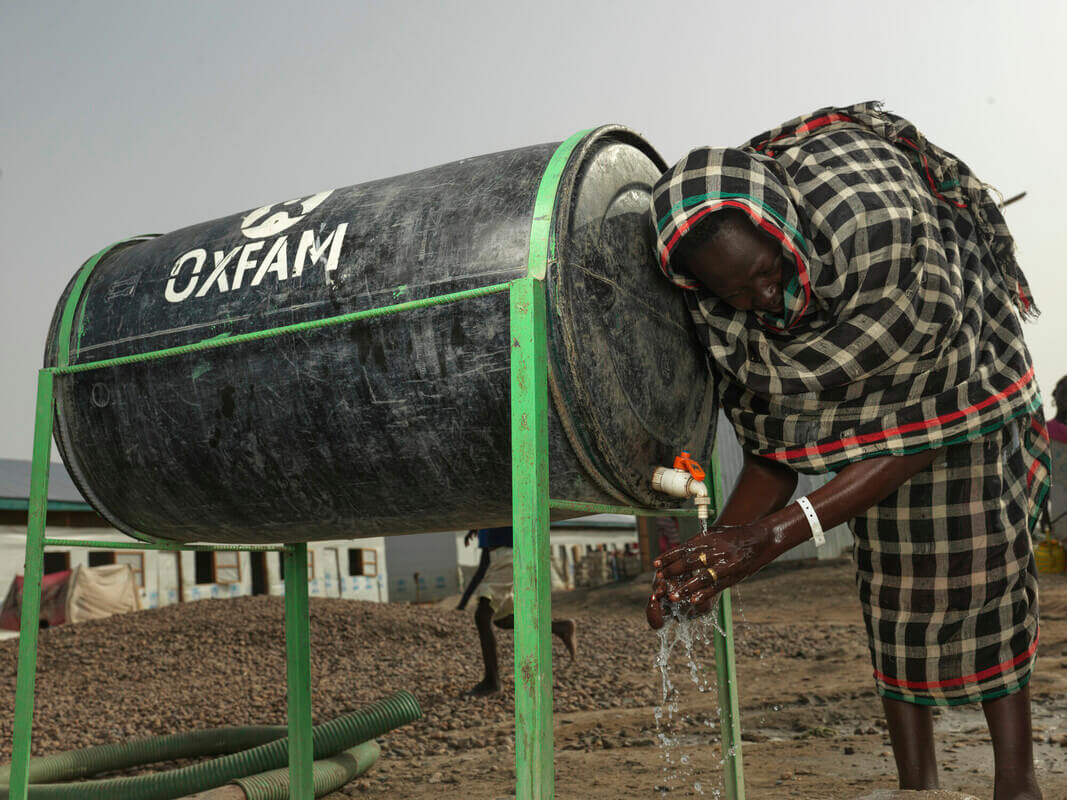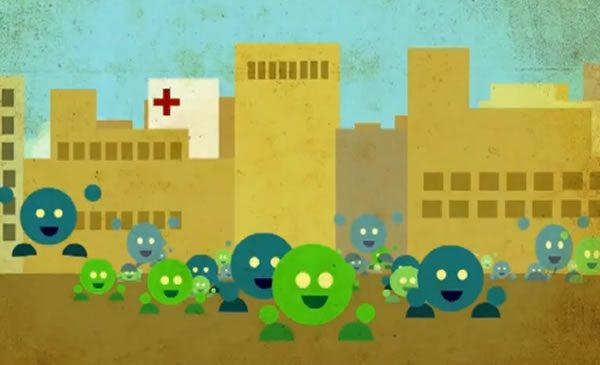
Oxfam GB have produced a great animation detailing the effectiveness of aid, outlining where aid has made a difference to millions of lives in many of the poorest parts of the world.
Oxfam GB online campaigner Ian Sullivan:
“In a bid to try something different – not just writing policy papers and thousands of words blog type features – we came up with the idea of using animations. We wanted to give people who support Oxfam the tools to challenge aid sceptics. We also hope to reach new people who might not come across our policy positions any other way.”
Aid makes a difference to the lives of the poorest people around the world. It is a vital way to help to lift millions of people out of poverty. Because with healthy and educated people, poor countries can develop their economies and stand on their own two feet.
Some people argue that aid actually prevents countries from developing. Some people think that it should be stopped. But thanks to money from rich country donors, in the last few years we’ve seen 1.4 million extra HIV positive people on life saving anti-retro viral drugs; 40 million children who never would have learned to read and write are now getting an education. Aid has helped to make these things happen.
If given correctly, aid can help to reduce corruption. The money can be spent in a way that empowers people in developing countries to speak up, tell their governments what they need and hold them accountable for how aid money is spent.
Australia is a wealthy country – we need to do our fair share in providing overseas aid. We also need to recognise that climate change is already impacting on poor communities, making the fight against poverty even harder.