Guest Blogger: Tim Gore, Oxfam International
Leading international experts on climate change, the IPCC, have presented their latest report on the impacts of climate change on humanity and what we can do about it. It’s a lengthy report, so we’ve shrunk it down to Oxfam’s five key takeaways on climate change and hunger:
1. The impact of climate change on crops is worse than we thought
Climate change will hit food production harder and sooner than previously thought.
Not so long ago, some people suggested crops could grow better because of climate change. Not anymore. The IPCC is clear that we are already seeing the effect of climate change on food production, and that negative impacts have been more common than positive ones—especially in poorer countries. More striking is the IPCC’s estimate that net global crop yields will decline by up to 2% per decade from the 2030s, at the same time as demand for food increases by 14%. Positive effects in some regions will not outweigh negative effects elsewhere. We are facing major net negative impacts on crop yields within our lifetimes.
2. Climate change also means higher food prices.
Most people will feel the impact of climate change on food through the price they pay at their local market or supermarket.
In the years since the last IPCC report, there have been three global food price spikes, each linked in part to extreme weather that hit harvests hard. The IPCC gives a cautious estimate that food prices may rise due to climate change by 3-84% by 2050. Oxfam expects food prices to approximately double by 2030, with around half due to climate change, with further spikes linked to extreme weather to come on top of that. That’s a massive problem for anyone spending upwards of 50% of their income on food, but increasingly we’ll all feel the pinch of higher prices for things like premium coffee or chocolate.
3. Without action, climate change will reverse the fight against hunger – perhaps by several decades.
Right now hunger levels worldwide are going down, though not nearly fast enough. But the IPCC cites studies which project a reversal of this progress.
By 2050 an extra 50 million people – that’s the population of Spain – could be at risk of hunger because of climate change, and an extra 25 million malnourished children under five years old – that’s the same as all the under-fives in the US and Canada combined. Availability of calories per person is set to fall lower than the levels in 2000. If we are serious about getting to zero hunger by 2025 and staying there, we need a huge increase in climate action – both in adaptation and cutting emissions.
4. It is not too late to act.
The key here, however, is we must over-come major adaptation deficits to cope with climate impacts on food in the near-term.
Eradicating hunger by 2025 will take a massive increase in efforts to adapt our food systems to climate change. But as we outlined in a briefing last week, the world is currently woefully unprepared. The IPCC estimates global spending on adaptation amounts to just a few hundred million dollars per year – hundreds of times lower than the $100 billion per year needed. The countries that have done most to cause climate change should help to pay this bill in poorer countries. But Oxfam estimates countries have received only around 2% of the money they need from the adaptation funds provided to them in the three years since the Copenhagen climate summit.
5. We must cut greenhouse gas emissions now.
Unless we cut greenhouse gas emissions now too, we will surpass our capacity to adapt in the second half of this century. The IPCC is clear that adaptation alone will not be enough.
By 2050, on our current path, risks to food security in many countries will pass “beyond projected adaptive capacity”. This means there is little we can do to prevent permanent and irreversible damage to food production or the means by which people can buy food. The IPCC suggests this will result in “very severe” risks to global food security, and may mean “current agricultural practices can no longer support large human civilizations.”
Oxfam is starting to see the limits to adaptation in our own work even today. In Zimbabwe, a previously successful irrigation scheme that has helped farmers to thrive in spite of more erratic rainfall hit the buffers when water levels dropped too low as a result of extreme drought. The IPCC describes the biological temperature limits of crops, beyond which they simply will not grow. The implication is clear: unless we rapidly reduce our emissions now, alongside a huge increase in adaptation efforts, runaway climate change will end our chances of winning the fight against hunger.
Will ours be the generation to let that happen?

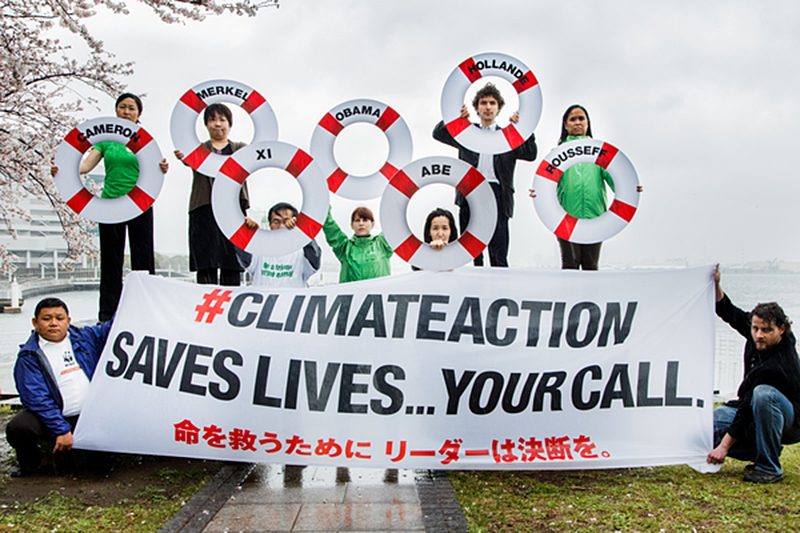
Join us in calling on governments and business to stop climate change making people hungry.