Television can get a bad rap. It incites us to buy products, vote for politicians and can influence how we should act, think and feel. But across the Pacific, hit TV show, “Love Patrol” is leveraging the power of TV to put HIV in the limelight.
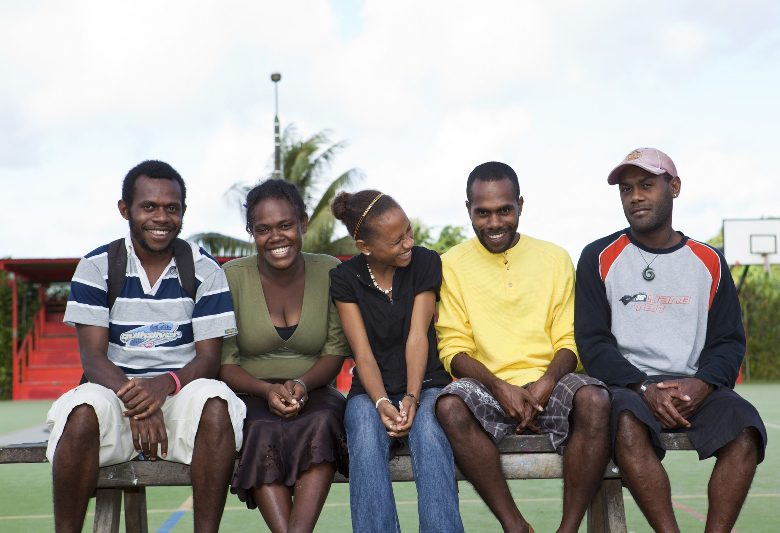
Vanuatu’s young people are living through difficult times. About 70% of the population are under 25, and high unemployment and poverty are taking their toll with rising rates of HIV and AIDS, drug use and crime.
Enter the wonderfully named soapie, Love Patrol; a program breaking down the stigma around HIV and AIDS by broadcasting the topic directly into people’s homes.
There’s no doubt Love Patrol is entertaining — the characters go through the usual motions of any soap opera; torrid love affairs, scandal, heartbreak and inexplicable bouts of amnesia.
But unlike your typical Aussie soap, this one will make you think. The program weaves in powerful topics around gender and health of particular concern to the region.
The masterminds behind Love Patrol hail from Wan Smolbag. The 25 year old organisation in Vanuatu promotes gender equality via drama and incorporates themes like gender-based violence, safe sex, and equal representation for women across their work.
As Wan Smolbag knows, entertainment is a powerful medium. Any avid TV watcher understands the importance of debriefing after a juicy episode. Love Patrol is no different.
Through the characters on the show, viewers at home are engaged in a non-confrontational way. In short, Love Patrol ‘allows’ open and free discussion around complex social issues like HIV.
With a loyal viewership (a random street poll indicates 90% of the population tunes in), Love Patrol is breaking new ground across the Pacific. But what does this mean for something like HIV prevention?
Consider the term ‘designated driver.’
Before the 1980’s, the term didn’t exist. The Harvard Alcohol Project introduced and popularised the social concept of as part of its health promotion campaign.
Television was targeted as the key medium, and the term ‘designated driver’ was subsequently featured in 160 different television programs.
In modern day terms — it went viral. It’s now in our everyday vernacular and is credited for lower rates of driving under the influence.
For now, it’s too early to tell with Love Patrol what the effects could be, but with the power of television behind it, it could shift an entire cultural mindset.
Australia Aid, NZ Aid and Oxfam are all in partnership with Wan Smolbag, Vanuatu. Oxfam has a long-term partnership with Wan Smolbag but does not fund Love Patrol directly. Love Patrol is proudly funded by the Australian Aid Program.
Find out more about:

We work with young people and local partner organisations across the world. Your donation can give people skills and opportunities to build a vibrant future