Written by: Christina Hill, Mining Advocacy Coordinator
Links between gender based violence (GBV) and mining have been documented in many parts of the world. However, there is very little research that examines the scale of GBV in mine affected communities and the social and structural aspects that cause GBV. Research undertaken by Isabel Cane of the Centre for Social Responsibility in Mining helps fill this gap.
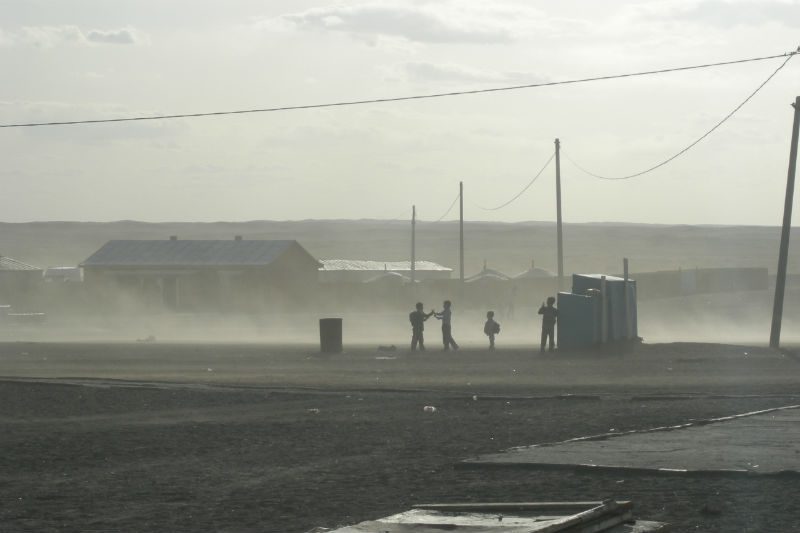
The research was conducted in Mongolia. Mongolia is in the midst of a mining boom driven in part by Australia’s Rio Tinto and its Oyu Tolgoi mine – one of the largest gold and copper mines in the world.
The research found that GBV has increased with mining. Specifically, reports of domestic violence, other threats to women’s health and safety, and sex-work have increased.
The research suggests increased GBV is triggered by the migration of large numbers of people looking for work in the mining sector, employment conditions, infrastructure development, and the broader economic and cultural changes that often accompany mining.
The research also identifies changes that are triggered by mining, but that cannot be directly attributed to a specific company. So if increased GBV cannot be attributed to any specific company, what responsibility, if any, do mining companies have to help reduce GBV?
To help answer this question we can look to the UN Protect, Respect and Remedy Framework [PDF] on Business and Human Rights. This framework articulates the roles and responsibilities of governments and businesses to prevent and address business-related human rights abuses.
The framework makes it clear that business has a responsibility to respect human rights and that business has a responsibility to act when human rights impacts are linked to their operations — even if they have not contributed to those impacts.
Given the evidence linking mining and GBV, we believe that mining companies have some responsibility to help reduce violence against women and girls in the communities surrounding mining operations.
The findings from the Mongolia study demonstrate the need for consideration of GBV impacts in town and mine camp planning, including the construction of family friendly accommodation for mine workers and their families, and the installation of street lighting in communities for women’s safety.
Efforts aimed at reducing GBV in the first instance are also critically important. There is a need for mining companies, working with others, to support efforts aimed at changing the attitudes that give rise to GBV. This should include workplace programs – mining companies do after all have a captive, and mostly male, audience.
Donate now to support gender equality.